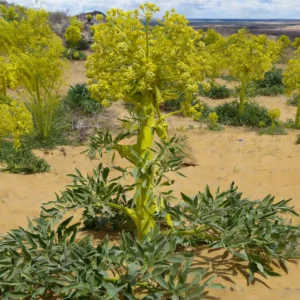


| Botanical Name | Pistacia terebinthus L. | Origin | Iran |
| Family & Genus | Anacardiaceae, Pistacia genus | Parts of Plant | Resin |
| Agriculture | Conventional | Manufacturing Method | Direct collection |
| Appearance | Pale yellow to light brown translucent brittle tears, darkening with ageing | Odour | Bright clean pine-balsamic scent with soft subtle fruity sweetness |
| Specific Components | triterpenes including masticadienonic acid and isomasticadienonic acid, plus minor flavonoids and phenols | ||


Terebinth Gum
Terebinth Gum is oleoresin harvested from incised bark of Pistacia terebinthus L., a deciduous tree of Anacardiaceae native to Mediterranean coast, West Asia and North Africa. It is the original historic “turpentine resin” recorded in ancient texts. Resin is collected in dry season and can be distilled to yield natural turpentine oil. Since antiquity, it has been used as natural chewing gum, wound remedy, antique incense, pigment binder and wood varnish. It can serve as a substitute for Chios mastic yet differs in triterpene composition. Today it is sparingly applied in woody natural perfumery and botanical extracts.