| Botanical Name |
Anethum graveolens L. |
Origin |
Austria | Egypt | Germany | Iran |
| Family & Genus |
Anethum genus, Apiaceae family |
Parts of Plant Used |
Herb | seeds |
| Agriculture |
Conventional |
Manufacturing Method |
Steam Distillation |
| Appearance |
Seeds: yellow liquid.
Herb: light yellow-green liquid with a lighter texture |
Odour |
Seeds: warm herbal aroma with distinct celery seed spiciness and citrus sweetness, rich scent.
Herb: fresh green herbal aroma with sweet anise-like notes. |
| Specific Components |
Decenal (E), Carvone, Limonene, α-Phellandrene |
- Aromatherapy: It can be used through aromatherapy, diffuser stones, or added to bath water. Its fresh and sweet aroma can effectively soothe irritability, relieve physical and mental fatigue, and dispel stress and anxiety. It is suitable for use after meals, to relieve work stress, or to relax before bed. It also helps to purify the air in the room and create a refreshing and pleasant atmosphere.
- Fragrance: As a distinctive spicy ingredient, its unique complex aroma can be harmoniously combined with citrus, herbal, and woody essential oils. A small amount can be added to handmade diffusers, perfumes, body lotions, and sachets to infuse the formula with a natural and vibrant texture, enrich the aroma layers and distinctiveness, and suit fresh, warm, niche, and practical fragrance styles.
- Nursing: After being diluted with carrier oils, it can be used for body massage, abdominal care, and localized soothing. A skin sensitivity test should be performed beforehand. Massaging the abdomen with a carrier oil helps relieve post-meal gastrointestinal discomfort and abdominal tightness; massaging the body can relieve muscle fatigue and soreness. Suitable for most skin types, it meets the needs of natural and gentle daily care.
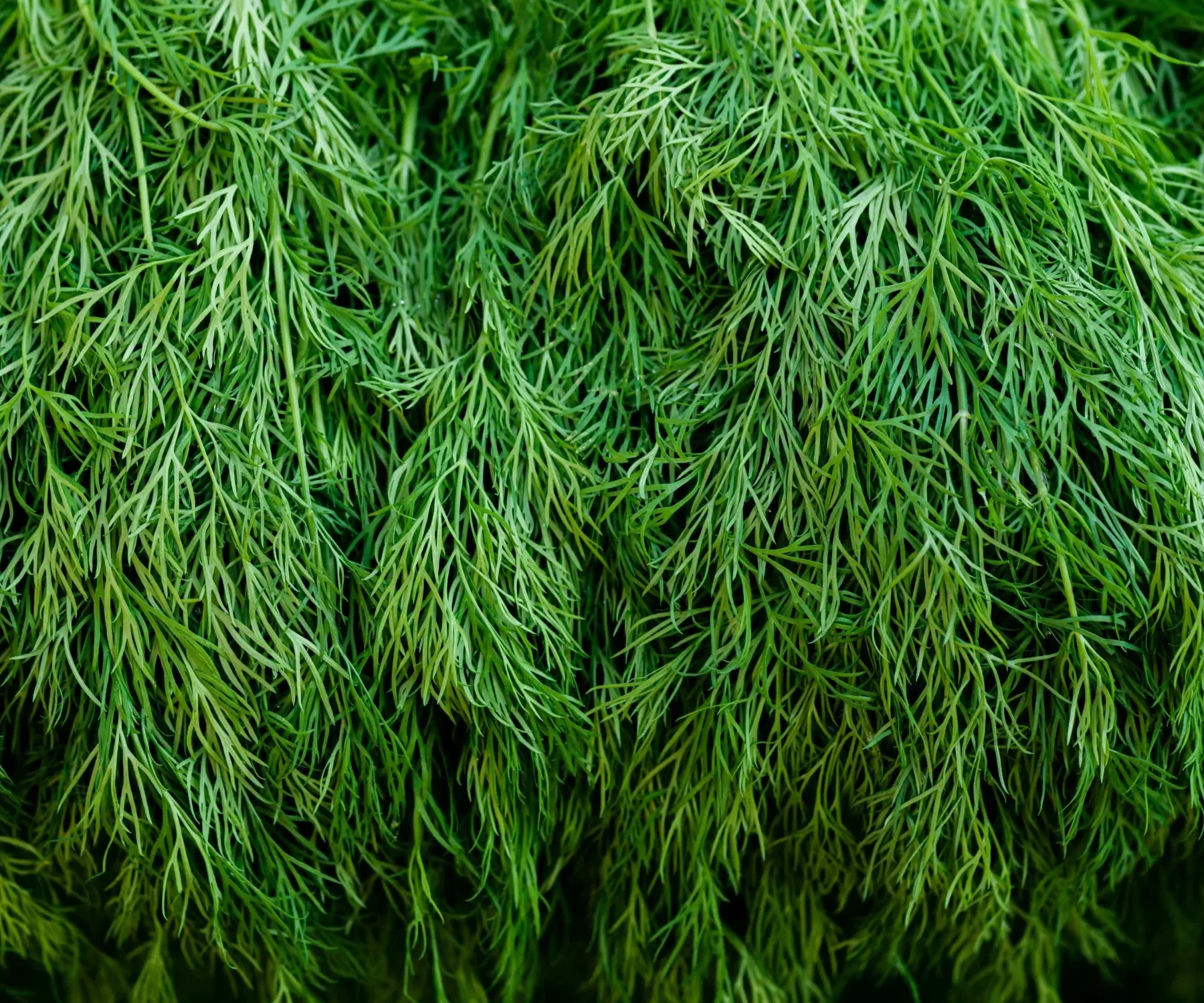
- We select mature and plump dill seeds or herb as our core raw materials, and use natural cultivation methods to keep them away from industrial pollution and pesticide residues. They contain no artificial fragrances, colorings, preservatives and additives, locking in the natural activity and pure flavor of the raw materials from the source, ensuring that the essential oil is pure and gentle.
- GC-MS test report is available, which clearly indicates the content, purity, and impurity test results of core active ingredients such as Carvone, strictly complying with international natural essential oil quality standards.
- Extracted using steam distillation process, the distillation temperature and time are precisely controlled to preserve the natural aroma, core active ingredients, and herbal flavor of dill to the greatest extent possible, avoiding the loss of effective substances and deterioration of aroma, and ensuring that the efficacy and fragrance of the essential oil reach their best state.
- Concentration Warning: Pure essential oils should not be applied directly to the skin. It is recommended to dilute them with carrier oils such as jojoba, sweet almond or grapeseed oil.
- Sensitivity Test: Before first use, apply a small amount of the diluted essential oil to the inside of your wrist or behind your ear and leave it for 24 hours. If there are no adverse reactions such as redness, swelling, itching, or stinging, then you can use it normally.
- Contraindicated Population: Pregnant women, breastfeeding women, infants, and those allergic to dill or Apiaceae family plants should use with caution. People with gastrointestinal diseases, gallstones, or those currently taking medication should consult a professional aromatherapist or physician before use.
- Storage Method: Store in a sealed dark glass bottle in a cool, dry, dark place away from high temperatures, open flames, and direct sunlight.
Available in various sizes of sealed brown glass bottles (5ml, 10ml, 50ml, 100ml) or aluminum bottles (250ml, 1L, 5L).